The Rise of Cycling tourism: Why Cycling Is Redefining How We Travel and How Regions Like El Penedès Are Responding
Cycling tourism is no longer a niche activity for dedicated cyclists. It has become one of the fastest-growing segments of experiential travel globally, driven by a clear shift in how people want to travel: more actively, more consciously, and with deeper connection to place.
According to international tourism research, the global cycle tourism market is already valued at over USD 130 billion and is projected to continue growing strongly through the next decade, fuelled by demand for sustainable, wellbeing-led travel experiences. Spain alone generated over USD 5 billion in cycle tourism revenue in 2024, with continued growth forecast as travellers seek alternatives to mass tourism.
Why Cycling tourism is growing
Several forces are converging:
- Wellbeing and performance
Physical activity outdoors is now widely recognised as supporting mental clarity, creativity, and resilience, qualities increasingly valued by both individuals and organisations. - Sustainable and conscious travel
Cycling allows travellers to explore destinations with minimal environmental impact while supporting local economies, rural areas, and small producers. - Meaningful engagement with place
Travelling by bike offers a unique balance: slow enough to notice culture, landscape, and people, fast enough to cover meaningful distance.
These trends are not abstract. They are already shaping tourism strategies at national and regional levels.
Spain and El Penedès are responding to the shift
Spain has actively positioned itself as a leading cycling destination, supported by national initiatives aimed at coordinating and promoting cycle tourism across regions. Media and tourism bodies increasingly highlight Cycling tourism as a growing pillar of sports and experiential tourism in the country.
At a regional level, El Penedès is a clear example of this strategic focus in action. The official tourism platforms actively promote cycling routes, long-distance itineraries, and bike-based ways to experience vineyards, gastronomy, and landscape, signalling a deliberate move towards cycling as a core tourism product rather than a secondary activity. Initiatives such as circular and multi-day cycling routes further reinforce this positioning.
This aligns with what tourism offices and local stakeholders are increasingly communicating: Cycling tourism is not a trend to watch, it is a segment to build for.
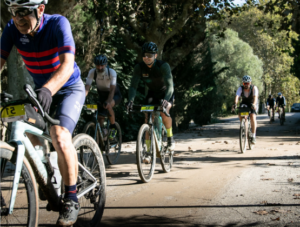
Beyond leisure: Cycling tourism and the corporate world
One of the most interesting developments is how Cycling tourism is moving beyond leisure travel into corporate and professional environments.
Cycling-based experiences:
- create shared challenge without hierarchy
- encourage real conversation and connection
- provide space for reflection and strategic thinking
- combine performance, recovery, and culture
For leadership teams and organisations, this makes Cycling tourism a powerful platform for offsites, incentives, and wellbeing-led performance experiences.
Looking ahead
Cycling tourism reflects a broader shift in how people want to live, work, and travel. Regions that invest now, in routes, partnerships, and high-quality experiences, are positioning themselves at the forefront of this change.
El Penedès, with its landscape, culture, and growing institutional focus on cycling, is well-placed to lead.